Roof Leak Repair: Common Problem Areas
A roof leak rarely shows up in the most convenient place. Water has a talent for traveling across hidden surfaces, dropping through drywall far from the actual failure point, and making the homeowner chase shadows instead of the source. The good news is that most roof leak problems cluster in predictable areas. Once you know where roofs usually give up, inspections get faster and roof leak repair decisions become far more grounded.
Whether you’re dealing with a shingle roof, a slate roof, or a flat roof system like TPO or EPDM, the pattern is similar: leaks concentrate at transitions, penetrations, edges, and any spot where the roof has seams and movement. What changes is how those systems are built and what “repair” really means in that material’s language.
The places leaks start most often
Most leak calls come from roof zones that see the most stress or collect the most water. On pitched residential roofs, that’s typically where water runs, turns, and meets another material. On commercial roofs, especially low slope systems, leaks often begin at details that are easy to overlook during routine maintenance.
Here are the most common problem areas I see referenced across roof repair guidance and what many contractors target during roof inspection.
- Flashings around chimneys, vents, skylights, and wall intersections
- Roof penetrations where pipes or mechanical units break the surface
- Roof edges, eaves, and valleys where water concentrates and overflows
- Seams and membranes around skylights, hatches, and joined roof sections
- Flat roof ponding zones and drainage paths where water sits long enough to seep
Even if the leak shows up as a stain on a ceiling, those zones are where the first investigation happens. The reason is simple and practical. Flashings are meant to direct water, penetrations force the roof to seal around irregular shapes, valleys funnel runoff, and seams are where layers meet and can separate over time.
Flashings: the quiet failures
Flashings are the roof’s defensive belt. They are supposed to bridge the gap between flat-to-raised surfaces and between roof planes and vertical walls. When flashings fail, water can slip behind the outer layer and into the building envelope.
Common flashing trouble points include chimney sides, roof-to-wall transitions, and the perimeter around skylights or other roof openings. A flashing can look intact from the top, but a compromised seal under it can still allow water entry. In real life, that’s one of the reasons homeowners can spend days looking for a crack in the visible surface and never find it.
Repair vs replacement at flashings
If the underlying materials are still solid and the leak is localized, roof leak repair often focuses on restoring the flashing and its seals correctly. But there’s a decision point that matters more than most people expect: if the roof is already aging and multiple flashing sites have started failing, a repair can become a series of small patches that keep chasing the next weak seam.
Roofing manufacturers generally advise homeowners to use a professional contractor to decide whether repair or replacement is best. That guidance aligns with what many contractors see on the job: small, isolated problems can often be repaired, but older roofs, widespread damage, recurring leaks, or multiple trouble spots may justify replacement.
Penetrations: pipes, vents, and whatever else the roof had to carry
Every penetration is a negotiation. The roofing system has to seal to a round pipe, a rectangular vent, or a mechanical curb, and it has to do it while the roof expands, contracts, and settles.
When penetrations leak, water can enter around the seal rather than through a hole. That’s why the roof surface may stay dry to the touch, yet the ceiling still gets wet after a storm. It also explains why leaks can appear “random.” If a seam around a vent collar loosens, wind-driven rain can push water deeper than a gentle rainfall would.
On residential roofs, penetrations are often sealed with flashing components designed for the shingle or slate installation style. On commercial roofs, penetrations are treated as detail work, not just a hole to be patched. Rubber roofing EPDM and other membrane systems rely on properly sealed penetrations because the membrane layer is the barrier.
Valleys and drainage features: where water concentrates
Valleys are where gravity does its loudest work. A valley takes two roof planes and forces their runoff into a single channel. That means water volume and speed increase compared to surrounding areas. If the valley lining, flashing, or the surrounding roofing materials are compromised, the failure becomes self-feeding.
This is also where you often see staining inside that doesn’t line up with what the homeowner thinks is the leak point. Water can travel along sheathing, then drop where it finds the easiest path.
In flat roof design and maintenance, drainage paths and ponding zones play a similar role. Ponding can accelerate deterioration of surfaces and create persistent moisture where a roof system needs to stay dry or at least consistently drained. Even when the roof looks “intact,” a chronic drainage issue can keep turning repairs into temporary solutions.
Seams: when two planes meet (and move differently)
Seams are unavoidable, especially on layered roofing systems and on roofs where multiple sections are joined. Seams can be straight, overlapped, or heat welded depending on the material type and installation method. Either way, seams are also where movement happens.
If you’re dealing with a flat roof installation and repair, seam performance matters a lot with materials such as TPO Roofing Installation or EPDM Commercial Roofing. For commercial metal roofing and modified bitumen roofing, seams and joints can still be the weak link, particularly where detail work connects different components.
A key practical point for roof leak repair: don’t assume that because a leak appears after a storm, the failure started only because of that storm. Severe weather can expose an already borderline detail. When wind-driven rain hits, the roof gets pushed harder in the direction water wants to go.
Skylights and roof windows: beauty with a maintenance tax
Skylights are designed to bring light in, but they concentrate risk at the perimeter. Their frames and flashing systems have to stay sealed through years of thermal movement. If the perimeter seal ages, the leak can travel along the interior of the framing before it shows up on the ceiling below.
Homeowners sometimes think the leak must be coming from a crack in the glass, but cracks aren’t the most common failure. Perimeter sealing and flashing are. That’s why inspection usually involves checking the surrounding roof surfaces and the flashing junctions, not just the skylight itself.
Flat roofs: special attention to installation and weathering patterns
Flat roofs are not flat in a functional sense. Most are designed with slopes toward drains or scuppers, but the roof surface can still develop areas that hold water. When water sits, it works on the system.
From a roof replacement perspective, commercial low-slope evaluations involve a mix of material considerations and hazard impacts. Guidance around post-event evaluation emphasizes that fire, hail, wind, and structural distortion can change whether repair is feasible. Even without a named event, the principle holds: if damage is widespread or involves structural concerns, a targeted repair may not be the right long-term answer.
For flat roof systems, the most common repair targets tend to be membrane breaches, failed terminations, and deteriorated detail areas around edges, drains, and penetrations. If you’re considering roof replacement after leak, it often comes down to how many separate repair zones exist and how old the roof is.
How contractors decide repair versus roof replacement
Roof repair and roof replacement decisions can feel subjective until you see how professionals structure them. Contractors typically evaluate the scope of damage, the age of the roof, whether leaks recur, and whether repairs would involve replacing a few localized sections or effectively rebuilding a large portion of the barrier system.
A commonly cited rule of thumb is that small, isolated problems can often be repaired, while older roofs, widespread damage, recurring leaks, or multiple trouble spots may justify replacement. That rule matters because it protects homeowners from the cycle of patching one area, then discovering the next weak point after the next storm.
Age is also a hard constraint in many roof replacement conversations. Asphalt shingles generally last about 20 to 30 years, depending on conditions and maintenance. If a shingle roof is already in that upper range, multiple leak areas often signal that the roof system is near the end of its useful service life.
For commercial roofs, the decision process includes how roof installation for residences materials were installed, how they have aged, and whether post-event conditions have created changes that aren’t limited to a simple surface repair. Proper design, installation, and maintenance reduce hazard damage from wind, rain, hail, ice, snow, and fire, and post-event evaluation can identify cases where repair is preferable to full replacement. That combination is why roof inspection matters even when the leak seems obvious.
Residential roof leak repair: typical “tells” by material
Different roofing materials fail in different ways, and the repair approach follows the material.
Asphalt shingle roofs and their leak patterns
Asphalt shingle roofs are widely used in residential construction. With architectural shingles, which are a premium laminated type of asphalt shingle, the installation is still all about shingle course alignment, underlayment continuity, and flashings that integrate correctly with the shingle layers.
When shingle roof leaks happen, homeowners often notice dark streaks, damp insulation, or staining around vents and valleys first. Those are common intersections where water moves sideways or finds an opening.
If the leak repair scope grows and multiple areas need attention, roof replacement becomes a cleaner path than continued repairs. A major cost figure people ask about is roof replacement cost. One reported average 2023 cost for asphalt shingle roof replacement is $14,959, though actual cost varies by roof size, materials, and project complexity. That’s why a contractor will usually tie the cost conversation to both the inspection findings and the practical scope of work.
Slate and tile: small damage can still mean big pathways
Slate roof installation and repair and tile roof installation and repair often involve hard materials with interlocking details. When tiles or slates shift, the failure isn’t always the broken piece. The real risk is water migrating under adjacent elements and into underlayment.
Slate roof replacement or tile roof replacement may be considered when damage is widespread or when repeated repair areas appear. The key is the number of trouble spots and how the roof system has aged overall.
Wood shake and cedar shake: where moisture shows up early
Wood shake roofing and cedar shake roofing can look durable until it’s not. Leaks can present as staining, and they can also be tied to flashing details and penetration seals that age at different rates than the field surface.
When shake roofs start leaking in multiple locations, it often becomes less about finding a single gap and more about managing the roof’s overall aging roof replacement reality.
Metal roofs: seams, penetrations, and transitions
Metal roof installation and repair, and commercial metal roofing, both require careful attention to joints, penetrations, and where panels terminate at edges. Metal can shed water well when installed correctly, but it is not immune to leaks at details. A roof leak repair might be as localized as a repaired termination, or it might involve replacing sections if corrosion or movement has changed how seams behave.
Commercial roof leak repair: details behave differently at low slope
Commercial roofs are built for the realities of occupancy, HVAC placement, traffic patterns, and drainage design. That affects where leaks show up and what repair looks like.
TPO roofing installation and seam integrity
TPO Roofing Installation relies on membrane performance and proper detail work. Leaks can show up at seams, around rooftop equipment, and at terminations. Because membranes are designed as continuous barriers, a patch that fixes one pinpoint breach may not address adjacent aging or failing areas.
EPDM commercial roofing and penetration sealing
EPDM Commercial Roofing is flexible and commonly used for low slope systems. Rubber roofing EPDM performs well when it stays protected and properly sealed. When it begins to leak, it’s frequently associated with seams, penetrations, and edge conditions where the membrane meets other materials.
Modified bitumen roofing: overlaps and weather exposure
Modified Bitumen Roofing repairs often focus on heat welded or lapped areas, plus transitions. Weathering and mechanical stress at roof edges and around penetrations can create vulnerabilities that don’t always show themselves as visible “holes.”
PVC roofing and the reality of multiple penetrations
PVC roofing, like other membrane systems, depends on how penetrations and terminations are sealed over time. Roof equipment and curbs create lots of interfaces. The more interfaces, the more potential leak points.
Emergency roof repair: what to do when the leak is active
Emergency Roof Repair is not just about stopping water. It’s about preventing secondary damage like soaked insulation, compromised drywall, and mold risk that can follow from prolonged wetting. It also needs to be done in a way that preserves the ability to inspect and repair the correct source.
Here’s a practical, safety-first approach many contractors follow during an active leak event.
- Contain the water with buckets or a tarp where safe, and avoid walking on weakened roof areas
- Take photos of the leak locations and the ceiling staining pattern for documentation
- Protect valuables and keep interior airflow moving if the area is already wet
- Shut down nearby HVAC intakes if water is near rooftop equipment, when applicable
- Call a professional roofer quickly to assess whether repair is feasible or Roof Replacement After Leak is the better route
What matters most is that you don’t “chase” the leak with random interior repairs. Interior drywall patching can hide the true damage path and complicate the next inspection.
Roof inspection: how professionals find the source without guesswork
A Roof Inspection is where the whole process becomes actionable. Pros look at the roof system Commercial Roof Replacement as a set of designed layers that direct water. They also account for movement. For example, a leak that shows up only during heavy rain might indicate seal failure that wind-driven rain amplifies. A leak that follows a different pattern might indicate a drainage issue or a detail that is failing after temperature swings.
The best inspections also consider that water can travel. A stain on a ceiling might mean the leak source is one or two structural bays away from where it appears. That’s why inspection includes checking the roof surface, the attic or interior cavity when accessible, and the known leak zones like penetrations, flashings, edges, and valleys.
IBHS guidance around roofs and post-event evaluation reinforces the same mindset. Properly designed, installed, and maintained roofs reduce hazard damage, and after events, evaluation can identify when repair is preferable to full replacement. In other words, inspection is not only about finding the leak today, it’s about understanding whether the roof system is still capable of being a reliable barrier after repair.
What a roof replacement typically involves when repairs are no longer enough
Sometimes the repair scope grows beyond practical patching. When that happens, roof replacement becomes the more durable choice, especially for aging roofs or roofs with multiple trouble spots.
A typical roof replacement includes removing old roofing materials, installing new underlayment and roofing materials, replacing flashings and ridge caps, and cleaning up the site. That sequence matters because water entry often begins at flashings and transitions. Replacing only the top layer can leave old underlayment or old flashing details in place, which can shorten the life of the “repair.”
For homeowners weighing Asphalt Shingle Roof Replacement, Metal Roof Replacement, Slate Roof Replacement, Tile Roof Replacement, Flat Roof Replacement, or Cedar Shake Roof Replacement, the common thread is alignment of layers. A new roofing system is only as good as the interfaces. That is where leaks return if the replacement is rushed or if details are skipped.
Cost pressure and expectations: what “repair” can quietly expand into
People often start with a simple request, “Fix the leak.” Then the inspection shows multiple affected areas, perhaps in flashings, penetrations, and a valley. At that point, roof repair can still be appropriate, but it needs to be scoped correctly.
Costs depend on roof size, materials, and complexity. The average roof replacement cost for an asphalt shingle roof reported in 2023 was $14,959, but that’s not a personal quote and not every job lands near that number. Repair pricing is similarly variable because a contractor might need to remove sections to access the failed detail properly.
The biggest expectation trap is assuming that the first patch solves everything. On older roofs or roofs with recurring leaks, the next failure can appear in a new zone. That is why many contractors emphasize roof inspection findings and the rule of thumb regarding isolated problems versus multiple trouble spots.
When fire, hail, wind, or distortion complicate everything
Storm-related leaks and post-event scenarios are where the repair versus replacement conversation shifts quickly. Hazard impacts can do more than damage the surface. Fire damage roof replacement decisions, for example, are usually more serious because heat can affect layers and underlying components.
For hail and wind, the visible damage is sometimes limited, while the seal and attachment points take the real hit. Structural distortion is the wild card. If the roof structure has shifted, repairs might not “stick” the way they would on an undistorted system. That’s why post-event evaluation is so important, and why professionals may recommend emergency roof repair initially, followed by a fuller assessment.
The judgment calls that separate a good repair from a short-lived one
If you’ve ever had a leak fixed and seen it return later, you already know the pattern. The first repair might have addressed the symptom but not the root cause.
In practice, the biggest judgment calls usually come down to three questions:
First, is the damage localized, or does it involve multiple trouble spots? Second, how old is the roof and how much of it appears to be aging at once? Third, does the roof still have a reliable barrier plan after repair, or would roof replacement be the more durable Roof Replacement After Leak path?
Those questions are consistent with guidance that favors repair for small, isolated problems and replacement when roofs are older, damage is widespread, leaks recur, or multiple areas show trouble.
Keeping a roof from becoming a repair schedule
You cannot completely eliminate roof leaks, but you can reduce the odds of failures stacking up.
Regular roof inspection after storms, keeping rooftop drains clear, and addressing flashing and penetration issues early all help. The practical reason is that many leak points start as minor seal failures. If they are caught before they widen, roof leak repair can stay small.
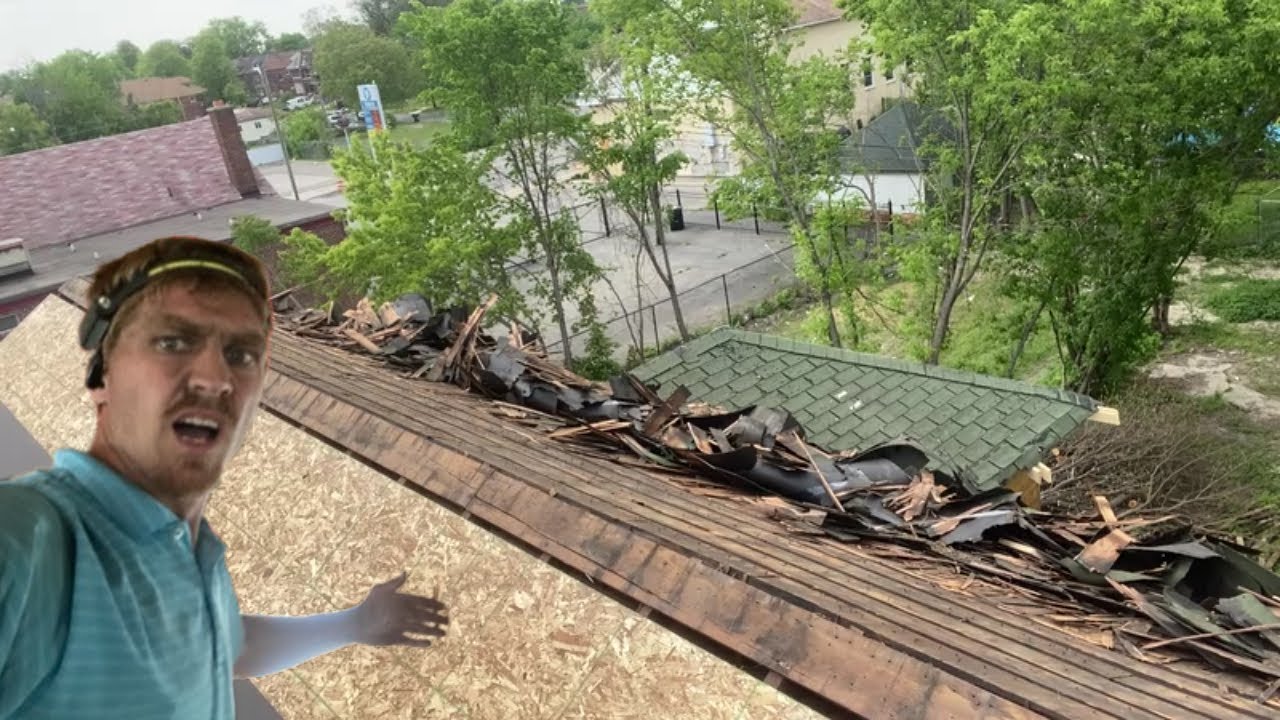
Once repairs begin to multiply, it often becomes smarter to talk about aging roof replacement rather than extending the lifespan with another round of localized fixes. That’s not defeat, it’s a better use of money and a more reliable path back to dry interiors.
If you’re currently dealing with a leak, the fastest route to a stable outcome is a proper roof inspection that identifies the most likely starting zones, evaluates the roof’s age and condition, and recommends repair or roof replacement based on the scope rather than the ceiling stain.