Roof Repair After Hail Damage: What to Watch For
Hail damage has a way of making roofs look fine from the street and then betray you later. The dimples show up, the granules loosen, and the roof surface starts to act less like a weather barrier and more like a collection of weak points. After a storm, the hardest part is separating “cosmetic” hail impact from damage that will lead to a roof leak repair, interior staining, or repeated calls every time the weather shifts.
What follows is what I watch for on both residential roof repair and commercial roof repair jobs after hail, the questions to ask during an inspection, and how contractors typically decide between roof repair and roof replacement. I’ll also flag some material-specific issues that come up with asphalt shingle roofing, flat roof installation and repair, and commercial systems like TPO roofing installation, EPDM commercial roofing, modified bitumen roofing, PVC roofing, and commercial metal roofing.
The first 24 to 72 hours: stop the bleeding, then look for the real damage
If you’ve noticed water intrusion, interior ceiling staining, or active drips after the storm, treat it as an emergency roof repair situation. Hail can create small openings directly through roofing material, but it can also undermine the roof’s waterproofing by damaging components that are out of sight, like seams, flashings, or the layers beneath the surface.
Even when there’s no obvious leak, hail impacts often create future pathways. Storm after storm, water works its way into the weakest spots, then takes the path of least resistance until it shows up indoors. That’s why roof inspection is so important, not only for “where it’s leaking now,” but also for where the next leak is likely to begin.
There’s a practical reason contractors prefer professional assessment after hail. Major manufacturers advise using a professional contractor to decide whether repair or replacement is best. The decision is rarely just about the visible hail dings, because the real story is what the hail did to the roof’s layers and supporting components.
What hail typically changes on a roof surface
Hail impact is often concentrated in areas exposed to direct wind-driven storm conditions. The impacts aren’t usually evenly distributed, and you’ll often see clusters around roof features like ridges, valleys, and penetrations where wind can push hail in hard.
On asphalt shingle roofing, hail commonly loosens and dislodges granules, which may expose darker spots on the shingles. Over time, reduced surface protection can leave areas more vulnerable during rain and sun exposure. On any roofing system, hail can also affect how tight the roof surface remains. The problem isn’t always a “hole.” Sometimes it’s a loss of uniformity, and that leads to water infiltration later.
For flat roof installation and repair and other low-slope assemblies, hail can be more deceptive. The membrane may appear intact at a glance, especially from a distance. But hail can still damage the waterproofing layer, the flashings at transitions, or the details around roof drains and penetrations. A contractor’s job is to inspect those details rather than rely on surface impression alone.
Signs you should schedule a roof inspection after hail
It’s tempting to wait and “see if it holds.” I’ve done that in the past when the storm looked mild and the roof didn’t show obvious bleeding. The issue is that hail damage can be delayed. Water intrusion might show up days later, and by then the damage is no longer just roofing material.
Here are the most reliable signs that deserve prompt attention:
- Visible hail impacts on shingles, metal, or membrane surfaces, especially when multiple areas are affected
- Loose granules, exposed roofing material, or abrasion on the roof surface
- Cracks, lifting, or separation around roof seams and roof penetrations
- Signs of active or past roof leak repair inside the home or building, such as ceiling staining or bubbling paint
- Flashing issues, including warped or damaged edges where water can track beneath the surface
If any of those show up, treat it as a roof inspection priority. A thorough inspection is where you prevent the “small fix” from becoming a recurring repair.
Repair versus replacement: the decision hinges on more than the number of dents
A common rule of thumb in the industry is that small, isolated problems can often be repaired, while older roofs, widespread damage, recurring leaks, or multiple trouble spots may justify replacement. That principle is echoed in guidance from large roofing manufacturers and safety organizations focused on risk reduction. The key is that “hail impact” is only one factor. The roof age, the pattern of damage, and whether the same type of issue shows up repeatedly all influence the correct choice.
There’s also a risk management angle. After hail, you’re deciding whether you can restore the roof’s waterproofing reliably in the damaged areas without leaving behind compromised sections that may fail later. Even if a patch stops the current leak, the next storm can find a new weak point.
Professional evaluation can also identify cases where repair is preferable to full replacement, rather than defaulting automatically to roof replacement. That matters because roof replacement cost is not trivial, and replacement is the right move only when the roof’s condition supports it.
How contractors assess damage after hail
A good inspection after commercial EPDM roofing hail looks beyond the obvious impacts and treats the roof as a layered system. Typically, a contractor evaluates:
- The visible roofing surface and whether the hail pattern is widespread
- Flashings, edges, and penetrations, because these details control water entry
- Evidence of how water previously moved, such as staining that points to likely entry paths
- The roof’s overall condition, including whether it’s already near the end of its expected service life
For residential roof installation and repair, asphalt shingles are a common case study. Owens Corning notes that an asphalt shingle roof generally lasts about 20 to 30 years. That range matters when hail hits an older roof. If the roof is already aging, even “repairable” hail damage may not be cost-effective long-term.
For commercial roof installation and repair, the assembly and material choice shape the decision. IBHS guidance emphasizes that properly designed, installed, and maintained roofs can reduce damage from hazards including hail, and that post-event evaluation can help determine whether repair is preferable in specific cases. That evaluation becomes even more critical with low-slope systems, where water movement can be less obvious until it shows up at interior finishes.
Residential hail damage: what I watch for on asphalt shingle roofs
With asphalt shingle roofing, the typical hail-related concerns are surface impact and the integrity of the shingle system. When hail loosens granules and damages the shingle surface, it can reduce protection. More concerning is damage that interrupts the layers that keep water out.
As an example from the field, I’ve seen roofs where the impact pattern looked concentrated near the ridge line, with lighter exposure across the rest of the slope. In those cases, a contractor might focus repairs on the most impacted areas if the roof is otherwise in solid condition. I’ve also seen the opposite, where damage appears everywhere after a strong hail event, and repairs become a patchwork. When multiple trouble spots appear across the roof surface, replacement becomes harder to avoid, because you cannot reliably “unmix” hail damage and aging into a single, predictable repair.
Also keep in mind that asphalt shingles are the dominant residential roofing material in the U.S., with Owens Corning citing research indicating they accounted for 70% of roofing material volume used in single- and multi-family new construction, roof repair, and roof replacement projects. In other words, a lot of hail decisions involve shingle roofs, and the inspection mindset is well developed.
If you’re weighing repair versus roof replacement after leak, you may want to ask your contractor specifically how they plan to address the root cause of moisture entry, not just the spot where the stain is visible.
Commercial hail damage: low-slope details and membrane systems
Commercial roofs often include flat roof installation and repair assemblies, and the material types can be very different from residential shingles. After hail, what matters most is whether the waterproofing layer and the transitions remain intact.
IBHS guidance includes evaluation concepts for low-slope systems and notes that hazards like hail, wind, and structural distortion can change whether repair is feasible. Hail can be the initial trigger, but wind-driven rain and any distortion of components can compound the problem.
Commercial roofing materials you might see include:
- TPO roofing installation
- EPDM commercial roofing (including rubber roofing EPDM)
- Modified bitumen roofing
- Commercial metal roofing
- PVC roofing
With these systems, the “where” is as important as the “what.” A hail impact on flat surfaces may not be the primary water entry point. Often, flashings, penetrations, and seams carry the risk, because water can reach those areas and follow the roof’s drainage paths.
In practical terms, commercial roof repair after hail often requires careful attention to details around roof edges, penetrations, and transitions. Even when the membrane seems intact, damaged flashings can create a leak pathway that persists until the compromised details are restored properly.
The role of age and recurring problems
The repair or replacement conversation should include roof age and the pattern of damage. Guidance commonly uses a rule of thumb: if damage is isolated and the roof is otherwise healthy, repair can work. If the roof is older, widespread damage is present, or leaks recur, roof replacement may be the better long-term choice.
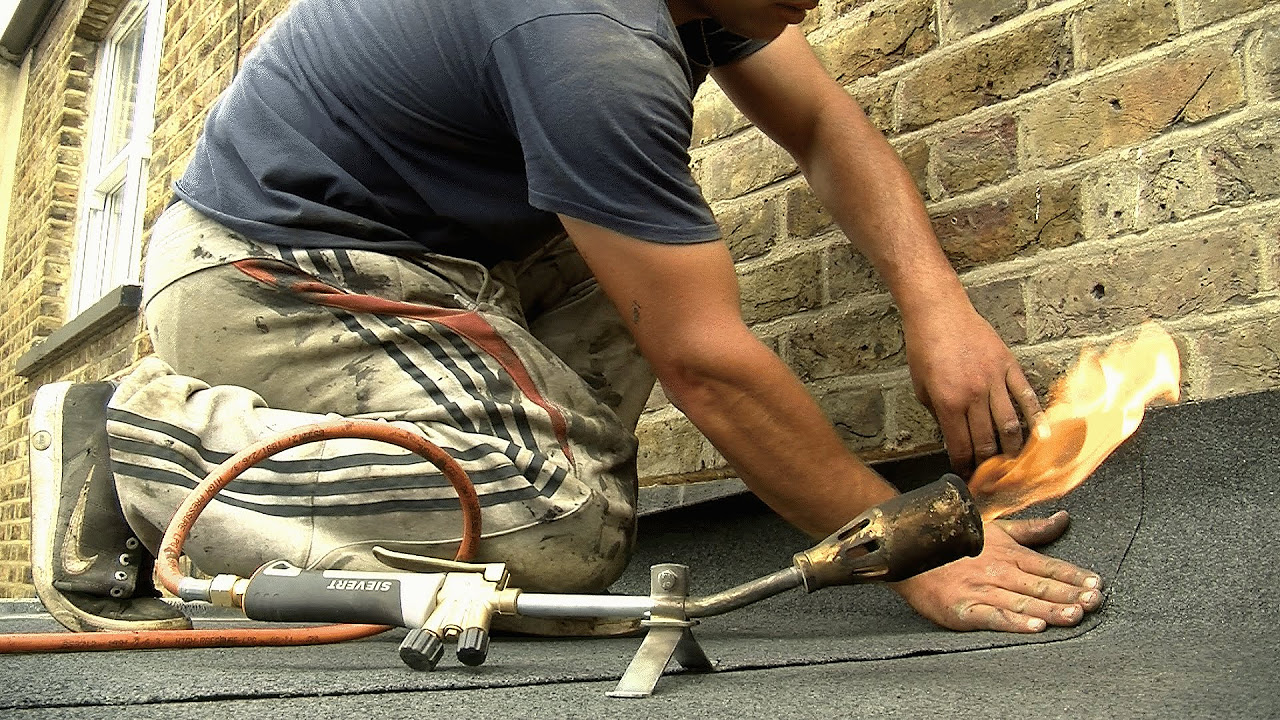
Aging roof replacement decisions aren’t just about years in service. They’re about how the roof has been holding up. If hail damage reveals a roof already weakened by time, the difference between a repair and a replacement becomes less about the hail and more about whether the roof has enough remaining life to justify a partial fix.
This is where judgment matters. Contractors may find multiple trouble spots across a roof after hail. If those spots correlate with compromised underlayment or damaged details that are hard to isolate cleanly, replacement tends to become the safer bet.
What a roof replacement typically involves after storm damage
When replacement is the recommendation, it’s helpful to understand what’s generally included. A typical roof replacement includes removing old roofing materials, installing new underlayment and roofing materials, replacing flashings and ridge caps, and cleaning up the site. That sequence matters because hail damage can involve the outer surface but also the layers beneath it, and flashings are often the difference between a roof that sheds water reliably and one that develops roof leak repair problems again.
Replacing flashings and ridge caps also matters for performance around edges and transitions. A hailstorm may not “break” every detail instantly, but compromised flashings can become the weak links once rain follows.
Roof replacement cost: what to expect, and why it varies
Cost is where the decision often becomes emotionally charged. Even within the same neighborhood, two hail-damaged roofs can have radically different costs based on roof size, the material choice, access conditions, and how complicated the needed work is.
GAF reported an average 2023 roof replacement cost of $14,959 for an asphalt shingle roof. Actual roof replacement cost varies by factors like roof size, materials, and project complexity. I’ve seen homeowners and building managers fixate on a single number and miss the part that often drives the quote: the number of affected sections, how much underlying layer work is required, and whether flashings or other components need full replacement.
If you’re evaluating asphalt shingle roof replacement after hail, ask for a breakdown that ties the cost to the scope, not just the materials. You want clarity on whether the contractor is planning targeted repairs, full replacement, or something in between based on what they find during roof inspection.
Emergency roof repair: what it should and should not mean
“Emergency” after hail doesn’t always mean permanent. It usually means controlling water intrusion fast enough to prevent further deterioration until the full assessment and proper repair or replacement can be completed.
That said, emergency roof repair should be approached carefully. A temporary patch that stops leaks can be a legitimate first step, especially if weather is about to turn. But it should not become a long-term solution if the hail damage is widespread or if the roof’s underlying layers are compromised.
If you are dealing with a commercial building, emergency measures can also overlap with business continuity. In those situations, a contractor may prioritize protecting interior spaces while arranging the longer-term work for the earliest feasible window.
Material-specific considerations you can ask about
Even when the exact hail impacts are obvious, the “correct” repair plan depends on the roof type. If you’re working through options with a contractor, these are reasonable questions that connect directly to real decision-making.
- For asphalt shingle roofing, ask how they’ll address granule loss and whether the damage pattern suggests widespread impacts, not isolated replacement areas.
- For flat roofs and low-slope commercial systems, ask how they’ll inspect seams, flashings, and transitions, especially around penetrations and edges.
- For commercial metal roofing, ask whether hail affected seams, joints, and protective layers, not just the outer surface.
- If you’re considering a change in roofing material during roof replacement, ask what trade-offs are involved, since the replacement system needs to match the building’s requirements.
If your contractor recommends a change, the recommendation should be tied to the condition they find during roof inspection, not just a preference.
When repairs start to look like replacement in disguise
There’s a point where roof repair starts to feel like moving furniture around a room that’s already damaged. You can patch one area, but if the roof has multiple trouble spots, you’re likely to keep finding more.
The rule-of-thumb distinction is useful: small isolated problems can often be repaired, but widespread damage, older roofs, recurring leaks, or multiple trouble spots may justify replacement. When those conditions stack up, the “repair” solution can turn into a sequence of repairs that costs more than a single coordinated roof replacement.
I’ll add one more practical warning. After hail, many homeowners and facility managers feel pressured by urgency or insurance timelines. If someone offers a “quick fix” without explaining how they arrived at repair versus replacement, it’s worth pausing. You want the contractor to clearly connect the scope to what they found.
Long-term protection after hail: what “good maintenance” actually means
Hail damage is the event, but maintenance is what helps prevent the next roof leak repair. IBHS guidance discusses how roofs properly designed, installed, and maintained can reduce damage from hazards like hail, wind, rain, ice, snow, and fire. That’s not just theoretical. A roof that has been cleaned, inspected, and kept in good working order is less likely to fail when hit by another storm.
In the months after a hail repair or replacement, it’s smart to monitor common trouble areas:
- roof penetrations and vent boots
- edges and flashings
- drainage points and roof surfaces that hold debris
If you’re dealing with commercial roof installation and repair, maintenance routines also protect HVAC units and reduce the chance that temporary roof access creates new weak points.
A quick reality check on slate, tile, and shake after hail
Hail can damage many roof types, not only asphalt shingles. If you have a slate roof installation and repair, tile roof installation and repair, cedar shake roofing, or wood shake roofing system, the conversation often shifts to whether individual elements can be replaced or if the underlying structure or multiple rows are affected.
For shake roofs, hail can create localized damage that might be addressed selectively when impacts are limited. For tile or slate, damage may appear small at first but become problematic if it affects enough units across a plane or alters how materials sit in place. The same overarching rule applies: isolated issues tend to be repairable, while widespread damage and recurring leaks point toward aging roof replacement or roof replacement after leak.
Choosing between asphalt shingle roof replacement and metal roof replacement
Some property owners look at hail damage as a moment to consider a different roof system. Metal roof installation and repair and commercial metal roofing are often part of the conversation, especially for commercial facilities that want long-term durability and a strong weather barrier.
If you’re comparing asphalt shingle roof replacement versus metal roof replacement or even slate roof replacement, tile roof replacement, flat roof replacement, or cedar shake roof replacement, the right answer depends on your building, your roof pitch, your existing deck condition, and your local weather exposure. The decision should still start with roof inspection results. Hail damage reveals condition, and condition should drive scope.
A material change can make sense, but it should not be a bypass for repairs when repairs would be appropriate. Manufacturers advise using a professional contractor to decide whether repair or replacement is best, and that professional decision should consider more than the hail itself.
What to ask your contractor before you sign anything
You’ll usually get better results when you push the conversation toward specifics. Here are the questions that tend to uncover whether the plan is thoughtful or just convenient:
- What did you find during roof inspection, and where are the damaged areas?
- Is this repairable as isolated hail impacts, or does it look like widespread damage?
- If you recommend replacement, which components are being replaced, like underlayment and flashing details?
- If you recommend emergency roof repair first, what’s the timeline for permanent work?
- How does roof age factor into the recommendation, especially for asphalt shingle roofs that often last about 20 to 30 years?
A contractor who can explain the reasoning clearly is usually doing the right kind of work. Hail storms move fast, but good roofing decisions should not.
A practical checklist for the days after hail
If you want a simple way to stay organized without turning the process into a spreadsheet, here’s how I keep it practical:
- Photograph hail impacts from multiple angles, including edges, penetrations, and areas near valleys or ridges
- Document any interior signs of moisture, including when you first noticed staining or dampness
- Arrange a roof inspection quickly enough to address urgent leak pathways
- Ask for a repair versus roof replacement recommendation based on the extent of damage and roof age
- Keep all estimates and scopes written down, so you can compare apples to apples
That’s not busywork. It’s the foundation for a decision that won’t fall apart after the next rain.
Repair or replacement after hail: the bottom line
After a hailstorm, roof repair is often possible, especially when impacts are isolated and the roof is otherwise in solid condition. But hail damage can also reveal widespread weaknesses, recurring leaks, or an aging roof that no longer has the margin to absorb another storm without escalating problems.
The most reliable approach is the one that starts with roof inspection and continues through a clear repair versus roof replacement recommendation. Professional evaluation matters, because the right choice balances what the roof currently shows, how it will likely perform in the next wet cycle, and how much of the roof system is truly affected.
If you’re deciding between roof repair, roof replacement, or emergency roof repair, don’t just focus on the dents. Focus on the waterproofing pathway, the affected components, and whether the repair restores the system the way it needs to. That’s where the outcome usually improves, even when hail damage looks small at first glance.